Spain to Morocco by Ferry With a Car: Routes and Border Formalities
Jump to section
- Car-ferry routes from Spain to Morocco
- Tangier Med or Tangier Ville?
- Booking and arriving at the port
- Passports and passenger entry
- Documents for the car and driver
- Temporary admission: what happens to the car at customs
- Returning to Spain and closing temporary admission
- Problems to sort out before they become port problems
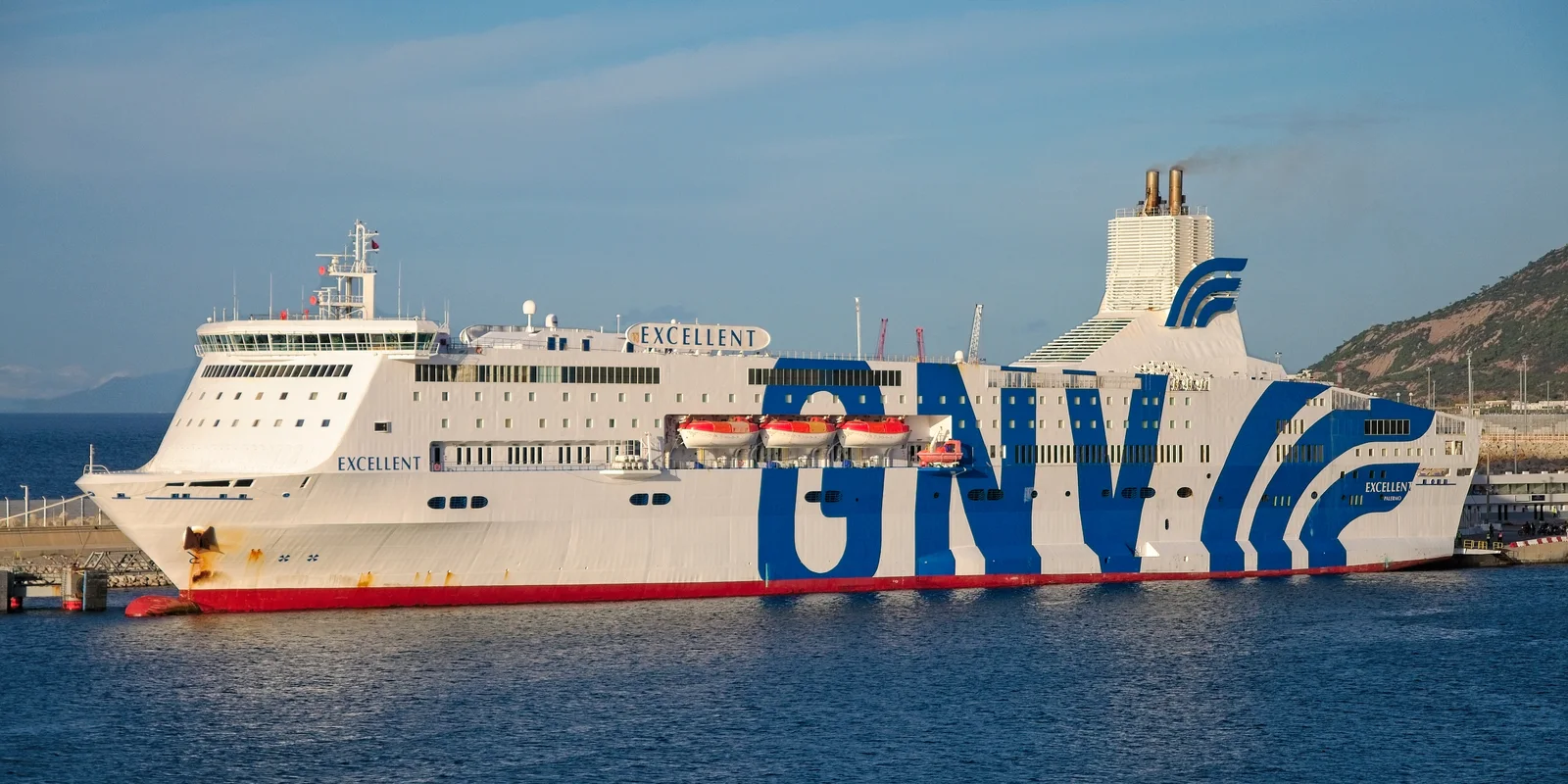
| Strait crossings | Algeciras to Tangier Med or Tarifa to Tangier Ville |
|---|---|
| Other departure points | Almería, Motril and Barcelona; check the route and vehicle space for your date |
| Two separate checks | Passport control for passengers and temporary admission for the car |
| Vehicle deadline | Read the expiry date on the customs admission card, separately from your own permitted stay |
| Before returning | Confirm the car's customs exit is recorded and every passenger can re-enter Spain |
You can take a car from Spain to Morocco by ferry. Start with the arrival port, then check the sailing, vehicle space and documents. A passenger booking alone does not reserve space for the car, and permission to enter Morocco does not settle the vehicle’s customs status.
For a short visit centred on cities, compare bringing your car with renting in Morocco or travelling without driving. For motorhome routes, campsites and overnight stops, use the campervan guide.
Car-ferry routes from Spain to Morocco
These routes are advertised by ferry operators in October 2026 with vehicle carriage. A route listing does not mean there is a sailing, or a car space, on every date. Search with your vehicle included before organising the rest of the trip.
| Spanish departure | Moroccan arrival | Where to check | Choosing the route |
|---|---|---|---|
| Algeciras | Tangier Med | Baleària | A Strait crossing for onward driving in northern Morocco or towards the Atlantic cities |
| Tarifa | Tangier Ville | Baleària | Arrives in Tangier itself; useful if the city is your first stop |
| Almería | Nador | Baleària or GNV | Consider for eastern Morocco rather than driving across from Tangier |
| Motril | Tangier Med | Baleària’s route directory | An alternative departure on the Granada coast; compare the whole journey |
| Motril | Nador | Baleària | Another option for an eastern arrival, subject to the available dates |
| Motril | Al Hoceima | Baleària | Useful when Al Hoceima and the Mediterranean coast are the destination |
| Barcelona | Tangier Med | GNV | A longer sea journey that avoids the drive to southern Spain |
| Barcelona | Nador | GNV | A longer crossing to eastern Morocco; compare cabin and vehicle availability |
For the short crossings, Baleària advertises roughly 90 minutes between Algeciras and Tangier Med and one hour between Tarifa and Tangier Ville. Those are sailing times, not the time from arriving at the Spanish port to driving out of Moroccan customs. Longer routes need a different plan for meals, rest and accommodation on board.
Compare the complete quote for all passengers, the vehicle, seats or cabin, and ticket-change conditions. A headline foot-passenger fare is not a car-ferry budget. Allow flexibility in the first night’s plans in case of queues, weather or a changed sailing.
Tangier Med or Tangier Ville?
Tangier Ville is the city port. Tangier Med is outside the city, to the east. They are not interchangeable terminals. Tarifa services use Tangier Ville; the Algeciras route and GNV’s Barcelona–Tangier route use Tangier Med.
Choose Ville if you want to begin with Tangier and are comfortable driving into the city. Ask your accommodation where to park, particularly near the medina. Choose Med according to the sailing and onward road route, allowing for the drive into Tangier if you plan to stay there.
Save the passenger vehicle entrance, not a general port pin or a freight gate. On the return from Tangier Med, follow signs for Automobile Access. The port’s departure instructions describe the vehicle route through check-in, police, customs and boarding.
Booking and arriving at the port
Enter the registration and the car’s actual dimensions. Include roof equipment, a rear-mounted bike rack and any trailer in the information requested by the operator. If the booking form does not clearly cover your setup, ask before paying. Request reduced-mobility assistance when booking if you need it.
Use the check-in and port-access instructions for your sailing. They vary by operator, route and busy-period arrangements. For example, Baleària’s general vehicle check-in table lists two hours for Algeciras–Tangier Med. Its separate Marhaba access guidance calls for longer arrival times at some ports and confirmed, date-specific tickets. Tangier Med’s own FAQ recommends four hours for passengers with vehicles. Confirm which instructions apply to your date in both directions.
Keep the booking and boarding passes available offline. Check which local time is printed on each leg rather than applying Spain’s time to the Moroccan departure. Reconfirm the terminal and any disruption messages before leaving for the port.
At the port, follow staff directions for check-in, document checks and the vehicle queue. Keep a small bag ready with passports, vehicle papers, medicines, water and anything needed during the crossing. Follow the crew’s instructions about passengers leaving the car, parking and access to the vehicle deck; do not plan on retrieving things from the boot whenever you want.
Passports and passenger entry
Each passenger needs the travel documents required for their nationality and circumstances, including children. Do not treat an EU identity card, a Spanish residence card or the ferry ticket as a substitute for a passport for Morocco. Check passport validity and any visa or travel-authorisation requirement through Accès Maroc or the responsible Moroccan consulate before booking. Our entry-requirements guide explains where to start.
If travelling with children, check any parental-authorisation requirements for your circumstances. Prepare the return documents too, especially where a visa or residence permit is needed to re-enter Spain.
On sailings to Tangier Med, the port’s arrival procedure describes passport stamping on board, followed by police checks when leaving the ferry. Ask the crew where and when to present yourselves. Passport stamping does not clear the car through customs. After disembarking, drivers still follow the vehicle-and-luggage customs circuit.
Documents for the car and driver
Put the originals in a folder you can reach from the driver’s seat:
- Driving licence, plus any International Driving Permit needed for the licence you hold. Check the issuing authority and NARSA; requirements are not identical for every nationality.
- Vehicle registration certificate, such as the Spanish permiso de circulación, French carte grise or UK V5C. Carry applicable roadworthiness documents too.
- Proof of motor insurance valid in Morocco for the whole stay and for the people driving.
- Proof of your usual residence abroad, where required for temporary admission.
- Owner’s authorisation if the car is borrowed, leased, financed or belongs to a company, and the rental agreement if hired.
Insurance and the Green Card
Ask the insurer specifically about Morocco, rather than assuming European cover extends across the Strait. The Bureau Central Marocain des Sociétés d’Assurances requires a valid international insurance certificate, commonly called a Green Card, covering Morocco and the period of travel. Check that MA is not crossed out. Obtain the certificate before departure and carry a printed copy with the vehicle papers.
If your insurer cannot provide valid Morocco cover, arrange border insurance before driving on Moroccan roads. CAT lists border-insurance provision at Moroccan entry points. Establish what the policy covers: third-party liability, damage to your car, theft, breakdown recovery and repatriation are different questions. A border policy should not be assumed to replace comprehensive cover or roadside assistance.
A borrowed, company or rental car
Permission from the owner and permission under customs rules are separate matters. Obtain written authorisation for taking the vehicle to Morocco. Ask customs or the Moroccan consulate what form and legalisation your documents require. Spain’s foreign ministry specifically advises a validated authorisation when entering in somebody else’s vehicle.
For a hire car collected in Spain, get the rental company’s express agreement to both the ferry crossing and Morocco, plus valid insurance and assistance. Customs acceptance of a rental agreement does not override the rental contract. If the company refuses, leave the car in Spain and arrange transport or a separate rental in Morocco.
Temporary admission: what happens to the car at customs
Foreign-registered cars brought for a temporary visit come under admission temporaire, usually shortened to AT. This is separate from permanent import. Residence matters: if you live in Morocco or are moving there, ask the Administration des Douanes et Impôts Indirects (ADII) which procedure applies before travelling.
Customs records the vehicle and issues an admission card showing the importer, vehicle details and expiry date. Check those details before leaving the control area and keep the card with the registration certificate. Older pages refer to D16 ter; do not rely on an old downloaded form as proof that the car has been admitted.
ADII’s vehicle customs guide describes a 180-day allowance within a calendar year, taken together or over separate visits. Use the expiry date actually granted on your card. Previous visits and your circumstances matter; ask ADII about year-end arrangements or an unusual vehicle. A quick trip out and back is not a fresh allowance. The car’s deadline does not extend your personal permission to stay.
Do not sell, lend or leave the car for someone else to use without checking the customs rules. For another driver or a different person taking it out of Morocco, confirm the necessary documents and any customs authorisation in advance.
Returning to Spain and closing temporary admission
Build the return around the car’s AT deadline as well as the ferry booking. Leave a buffer for disruption rather than aiming for the last permitted day.
At the Moroccan departure port, have the admission card, vehicle registration, passports and boarding documents ready. Complete both police and vehicle customs checks. Ask customs to confirm that the car’s departure has been recorded and its temporary admission discharged. Keep the exit evidence returned to you; a passenger exit stamp or a used ferry ticket alone does not establish the car’s customs clearance. ADII also provides a vehicle customs-status enquiry through its portal.
For entry into Spain, check the Spanish Interior Ministry’s requirements. If you travel on a Schengen visa, check that another entry is permitted. If relying on residence documents, check their validity and any return-authorisation requirements before leaving Spain. A visit to Morocco does not reset a Schengen short-stay allowance.
Travelling with a pet needs advance planning for re-entry into the EU, including the applicable rabies-testing and documentation rules. Arrange this with your vet before leaving Europe; the campervan guide’s pet section explains the main checks.
Problems to sort out before they become port problems
- Wrong Tangier port: check the ticket and vehicle entrance before setting off. Do not assume a booking can be used at the other terminal.
- Changed or cancelled sailing: contact the carrier about the booking and customs separately if the delay threatens the AT expiry date.
- Missing admission card: ask the nearest customs office about a duplicate before the return crossing.
- Breakdown, accident or theft: contact the insurer and ADII promptly. An insurance claim does not automatically resolve the customs record. Ask what evidence and procedure are needed before leaving without the car.
- You need to fly home while the car stays: settle the arrangements with ADII first. Do not assume parking it in a garage suspends the deadline or allows someone else to drive it.
- Carrying goods for someone else: do not accept unknown packages. Ask customs about household removals, commercial goods or restricted equipment before loading the car; the ferry booking does not authorise their import.
Keep ADII’s contact details, your insurer’s assistance number and the carrier’s booking reference available offline. For the driving days after the port, use our driving guide and plan a manageable first stop rather than a long journey after a tiring crossing.
Practical Tips
- Check both port names on the ticket; Tangier Med and Tangier Ville are different ports.
- Book the car's full dimensions, including any roof box, rear rack or trailer.
- Keep passports, original vehicle papers and insurance within reach rather than under the luggage.
- Follow the arrival instructions for your particular sailing, including any seasonal port-access rules.